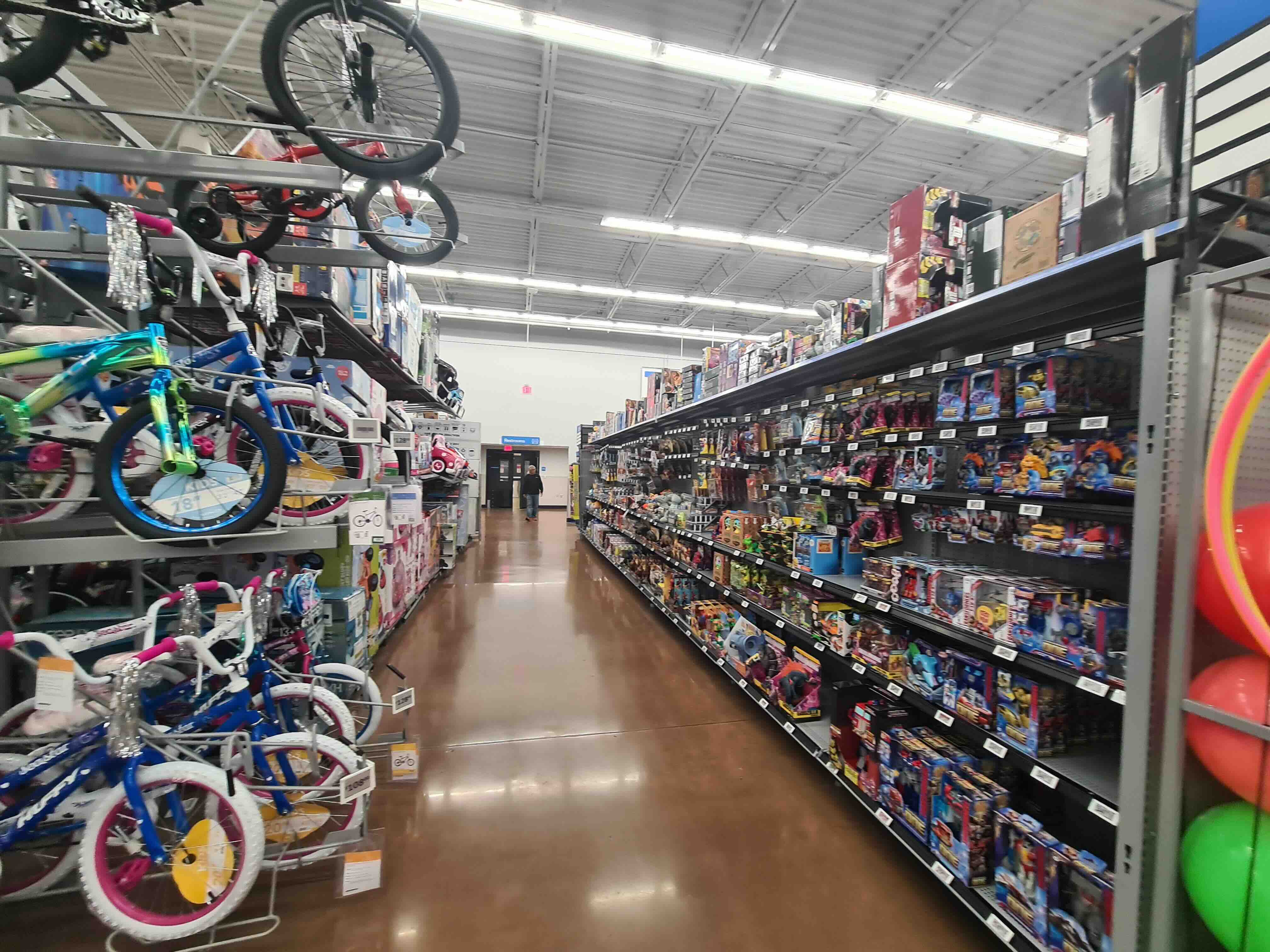
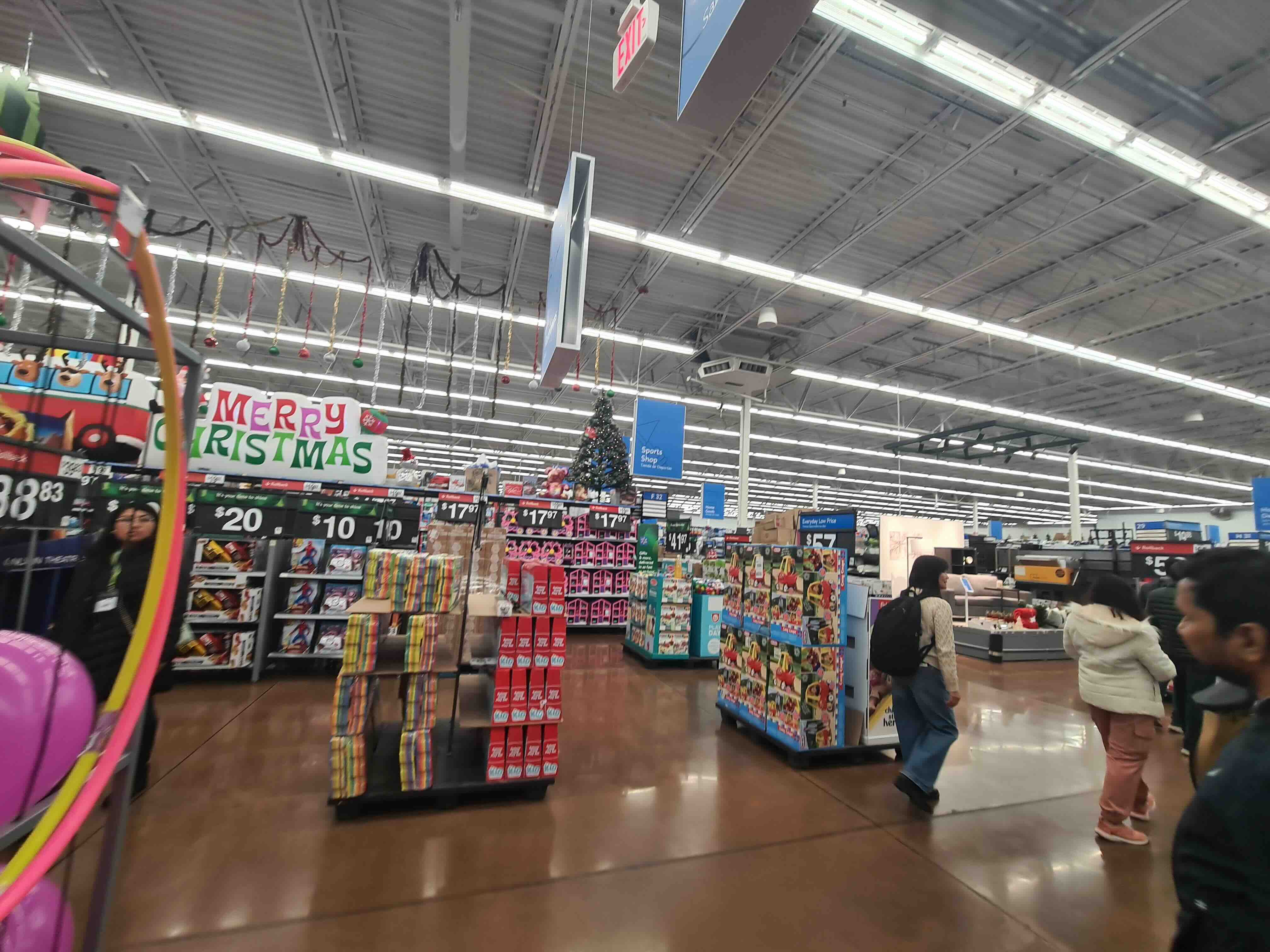
I walked into Walmart as an employee who wanted to understand the
operation, and as a customer who wanted to experience the promise of
Every Day Low Price. What I saw during holiday week was a store
running like a living system: people, devices, labels, bags, carts,
shelves, and customers all moving with purpose.
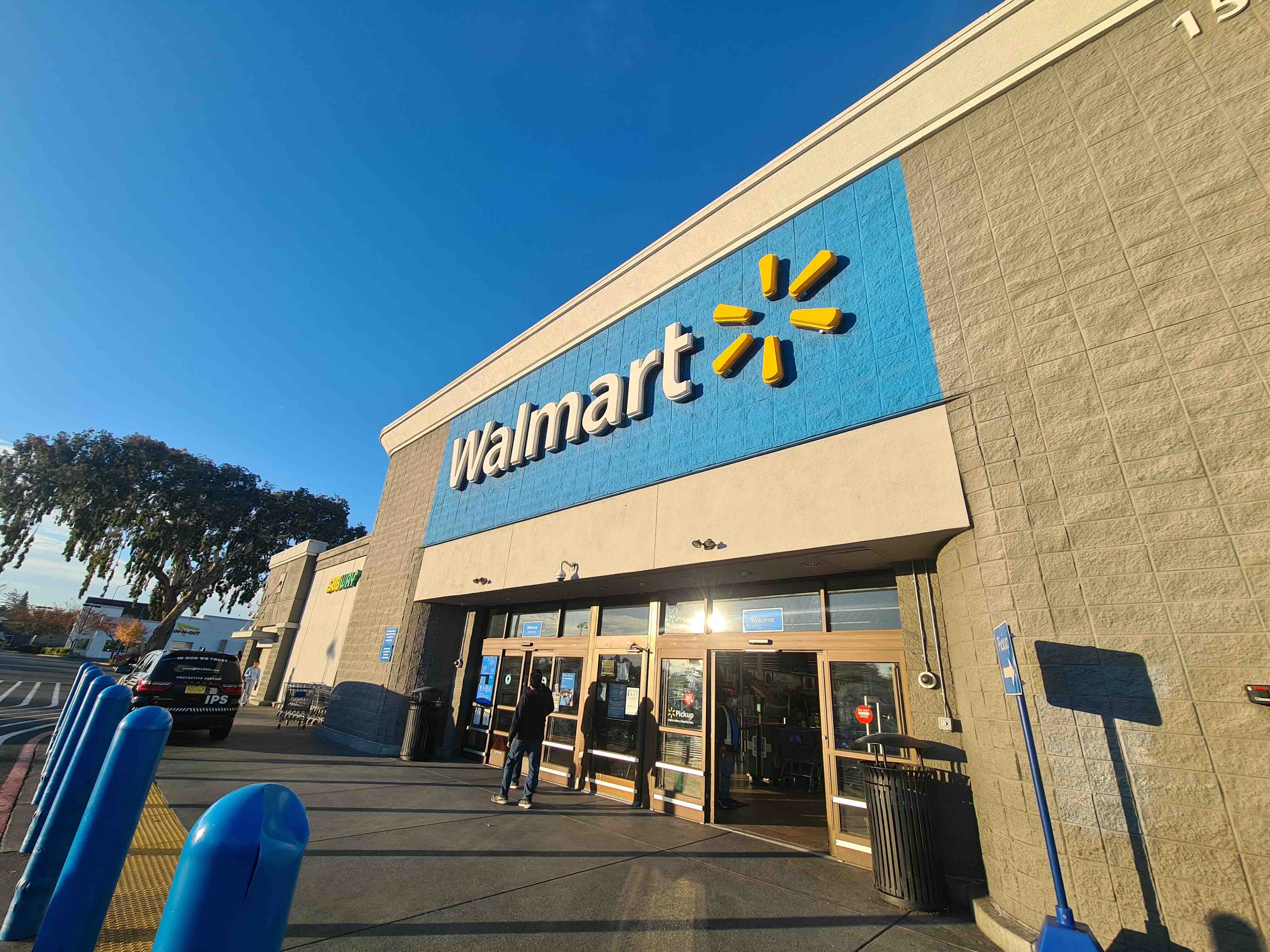
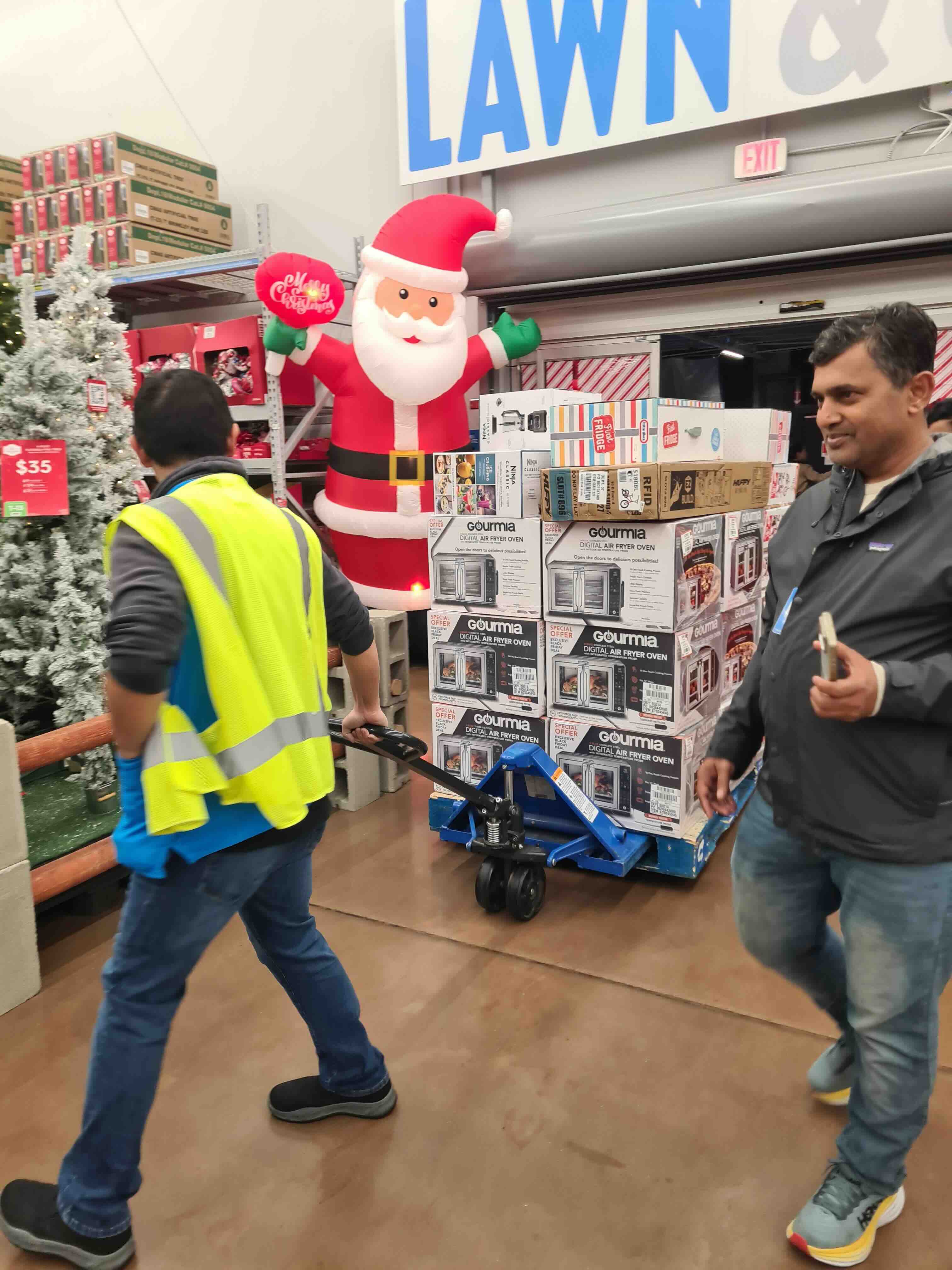
Photo 01: One of the Walmart stores I visited during the holiday
week.
Author
Manoj Satishkumar
I wrote this field note from my Walmart US holiday store visit.
I want to take you with me through a typical Walmart store and
Supercenter in the United States, not as a dry process document, but
as a real store walk. As you move through the photos, read them like a
timeline. Each image captures the next small piece of the experience:
the late-night operation, the fulfillment flow, the holiday rush, and
the way the store becomes both a workplace and a customer destination.
The first half of my visit was about seeing fulfillment from the
inside. Holiday week added pressure, but it also made the process
easier to appreciate because every step mattered.
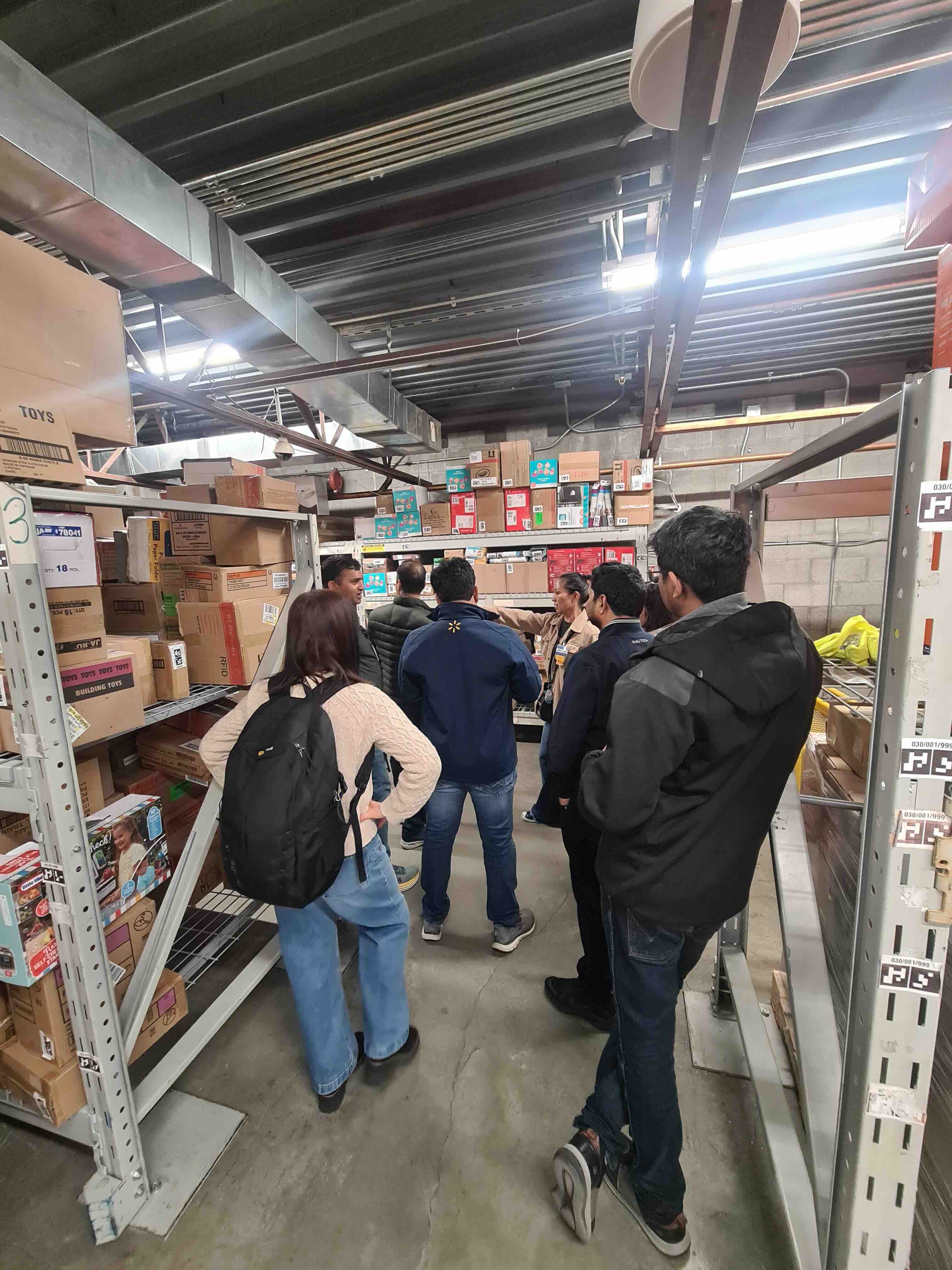
02 The store manager guided us
through the end-to-end order flow.
The store manager made the whole operation feel visible.
We were guided end to end by the store manager, who patiently
explained how orders become either home deliveries or pickup orders.
She knew exactly what needed to happen, where each item had to move
next, and why small rules mattered when hundreds of items were in
motion.
I especially enjoyed that this was not a polished conference-room
explanation. It was the actual store, at night, during a holiday
sale week, with the team actively working around us.
03 I visited the Supercenter with
Pradeep, Sriram, Koti, Kamalesh, Gaurav, and others.
We entered around 9:30 pm, but the store did not feel like it was
winding down.
The Supercenter was scheduled to close at 11:00 pm, and still,
customers were shopping late into the night. Because the sun sets
early in that season, 11:00 pm felt even later to me. I also noticed
how local the store felt: many customers were Mexican, and several
associates spoke Spanish naturally while helping them.
We stayed until around 1:00 am. By then, the customer-facing store
had gone quiet, but the fulfillment engine was still alive.
04 Items from the purchase order
were brought toward the containerization area.
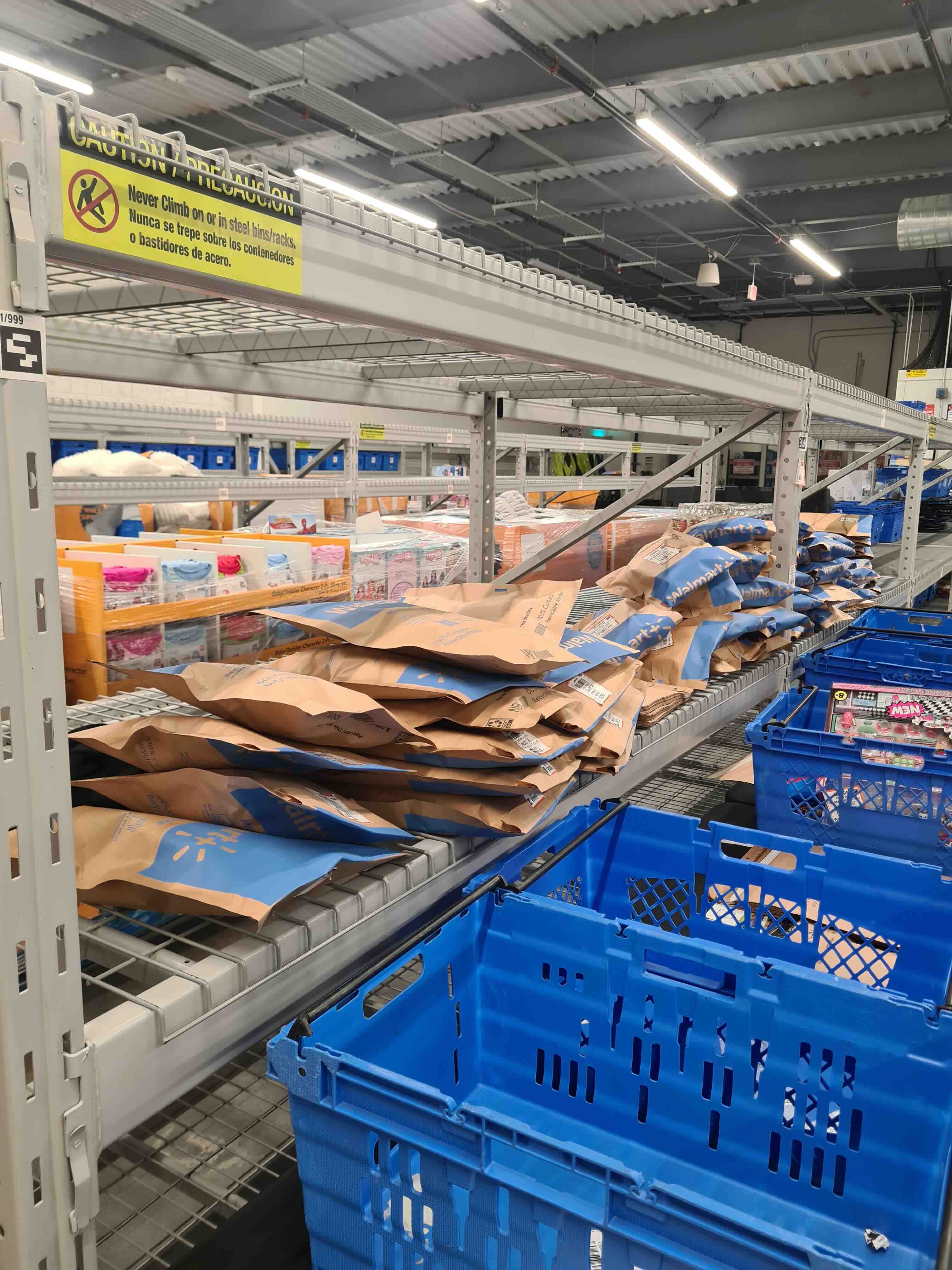
The process began with picked items arriving at the store front.
Items from the purchase order were dropped at the store front first.
From there, associates picked them up and moved them into the
containerization area. This was the moment where the order stopped
being an abstract digital request and became a set of physical
objects that had to be handled correctly.
Every product had a destination. Every item needed the right
package, the right label, and the right staging path.
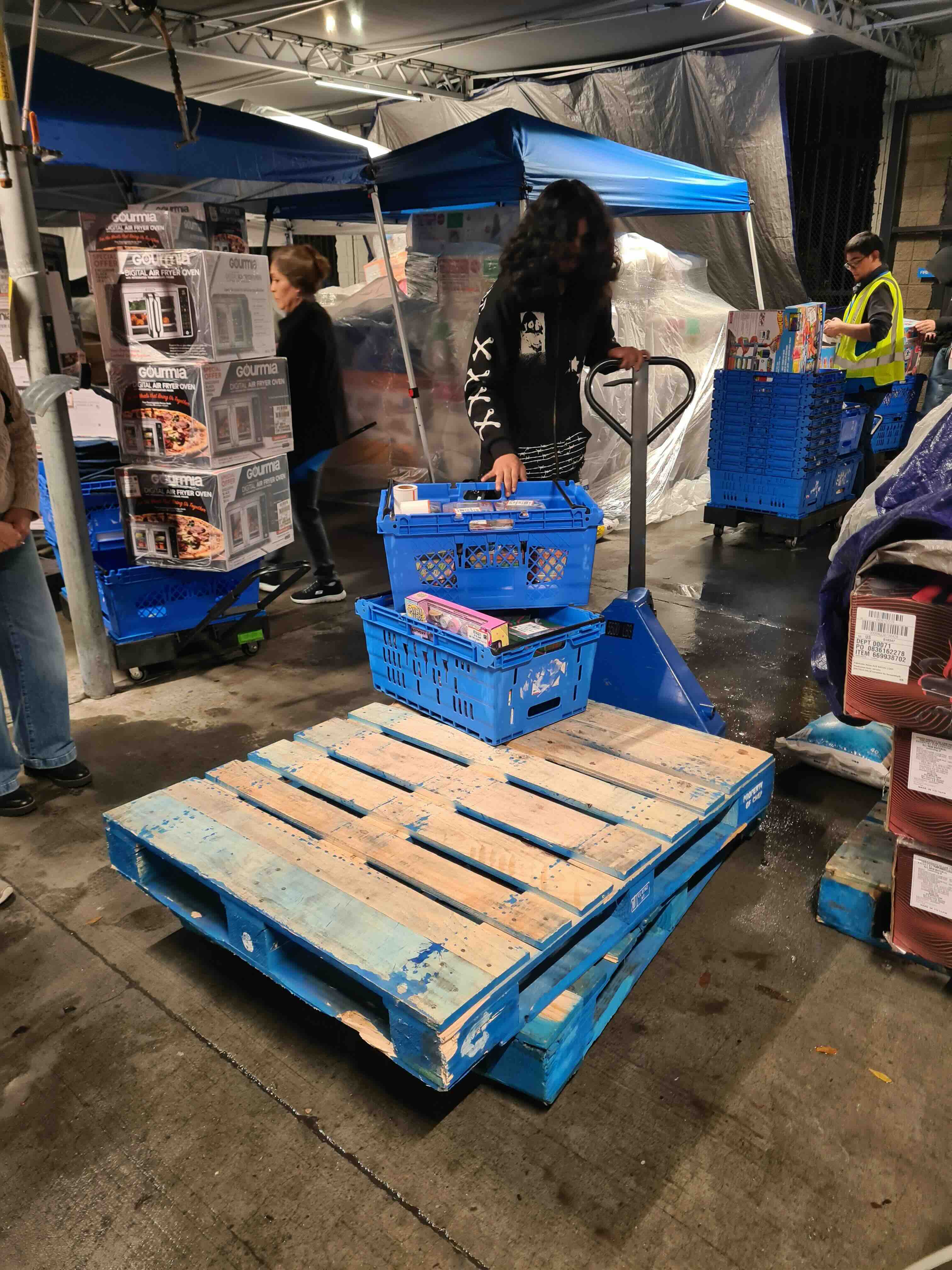
05 The containerization area
carried the pressure of 900 plus items that night.
The packing area showed me why process discipline matters.
Multiple associates had to pack more than 900 items that night. That
number sounds large, but it becomes even more impressive when you
stand there and watch the line of items waiting to be processed.
There were different packet sizes for different item sizes, and the
team had to keep moving without losing accuracy.
Holiday operations are not just about speed. They are about
repeatable correctness under pressure.
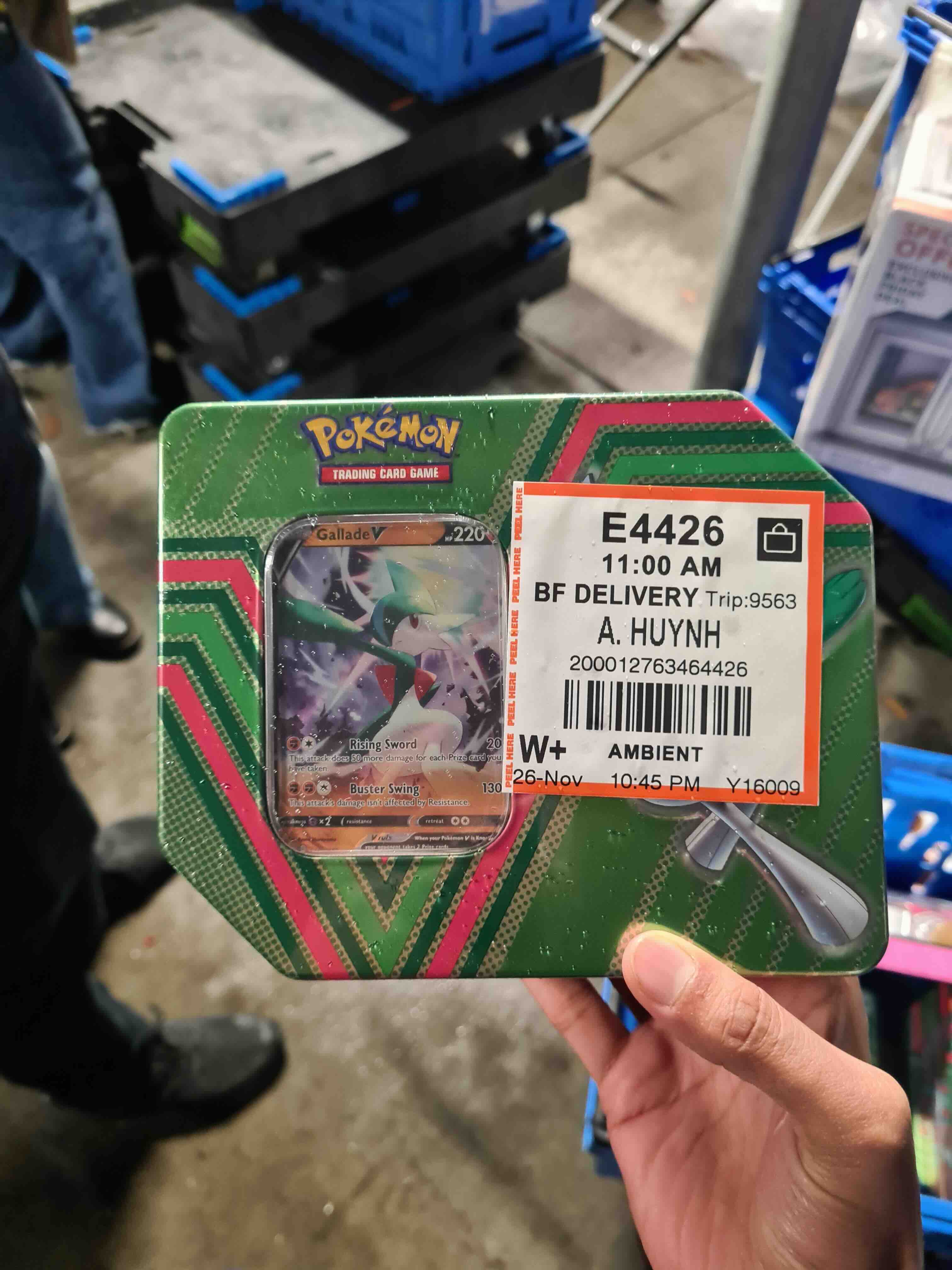
06 Smaller items like Pokemon
cards moved into smaller bags.
Even tiny items had their own journey.
One of the examples that caught my attention was Pokemon cards. They
are small, easy to misplace, and high-demand during the season.
Items like these went into the small-size bags, and the rule was
clear: the package had to protect the item and preserve
traceability.
It reminded me that scale is often won in the small details. A tiny
item can create a big customer issue if it is packed casually.
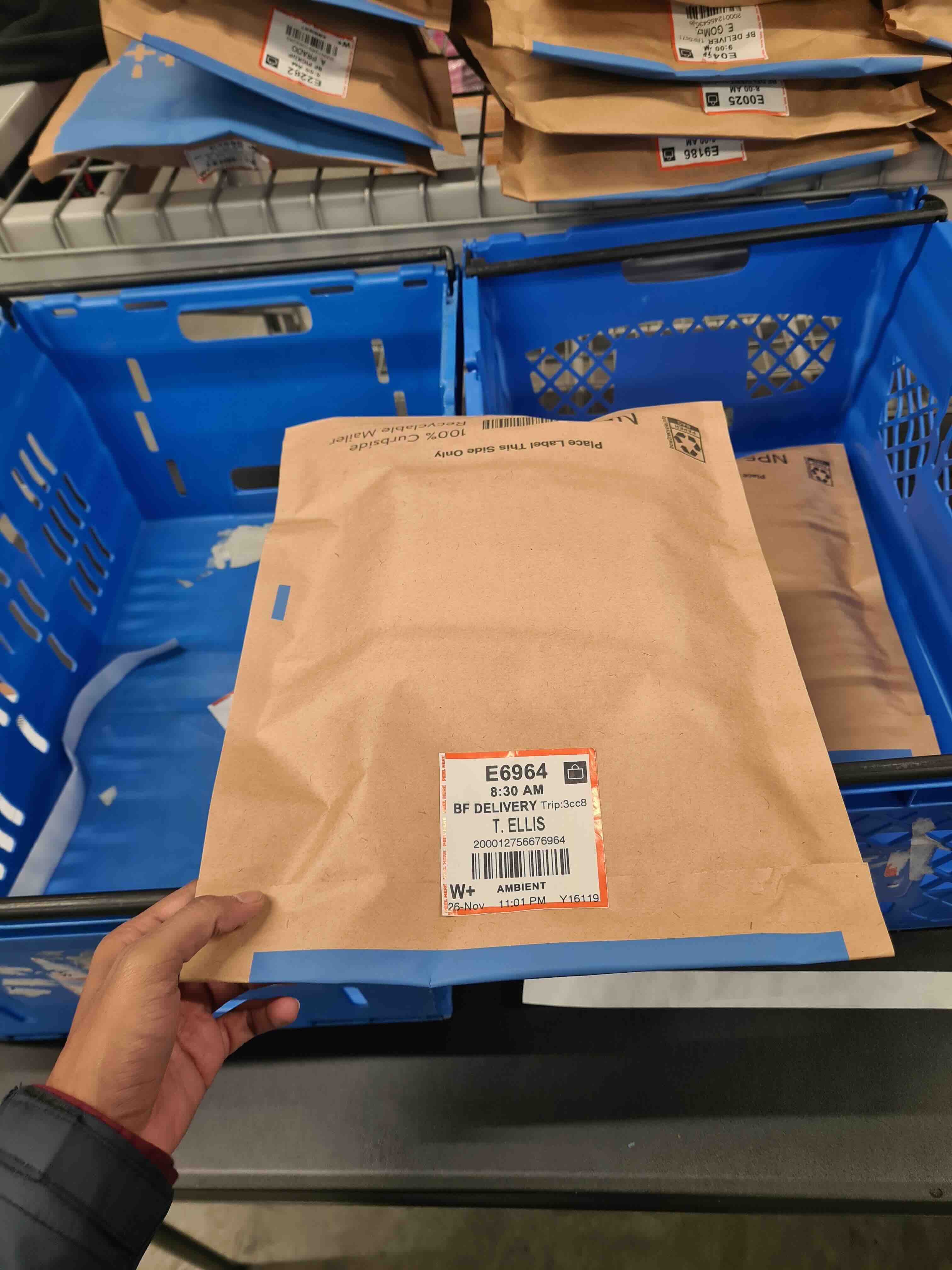
07 The smaller bag size kept
compact products contained and scannable.
The bag was not just packaging. It was part of the system.
Once I watched the associates work with the small bags, the design
started to make sense. The built-in adhesive helped seal the package
quickly, and the surface gave the team a clear place to attach
labels. In a busy operation, even the bag needs to be optimized for
fast, consistent handling.
The reminder I kept hearing was simple: one item, one bag.
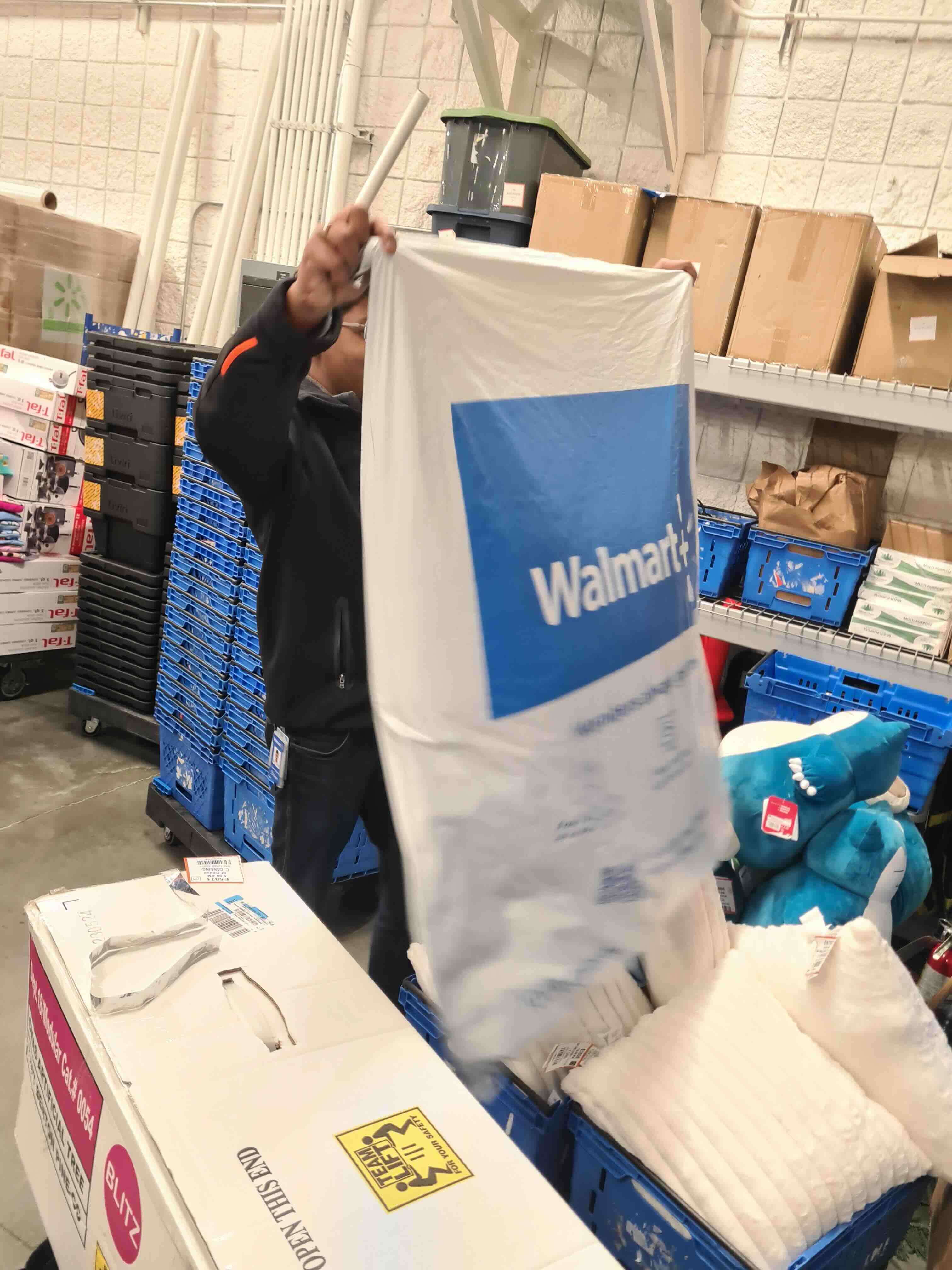
08 Larger items, including
oversized soft toys, required larger bags.
The large-item flow was just as structured.
At the other end of the size range were items like oversized teddy
bear soft toys. These went into larger bags, but the discipline
stayed the same. The item was packed, sealed, labeled, and staged.
The physical shape changed, but the process did not.
That consistency is what makes fulfillment teachable. Associates can
move between item types because the operating pattern remains
familiar.
09 Once sealed, the packet was
ready for labels.
After sealing, the package became ready for identity.
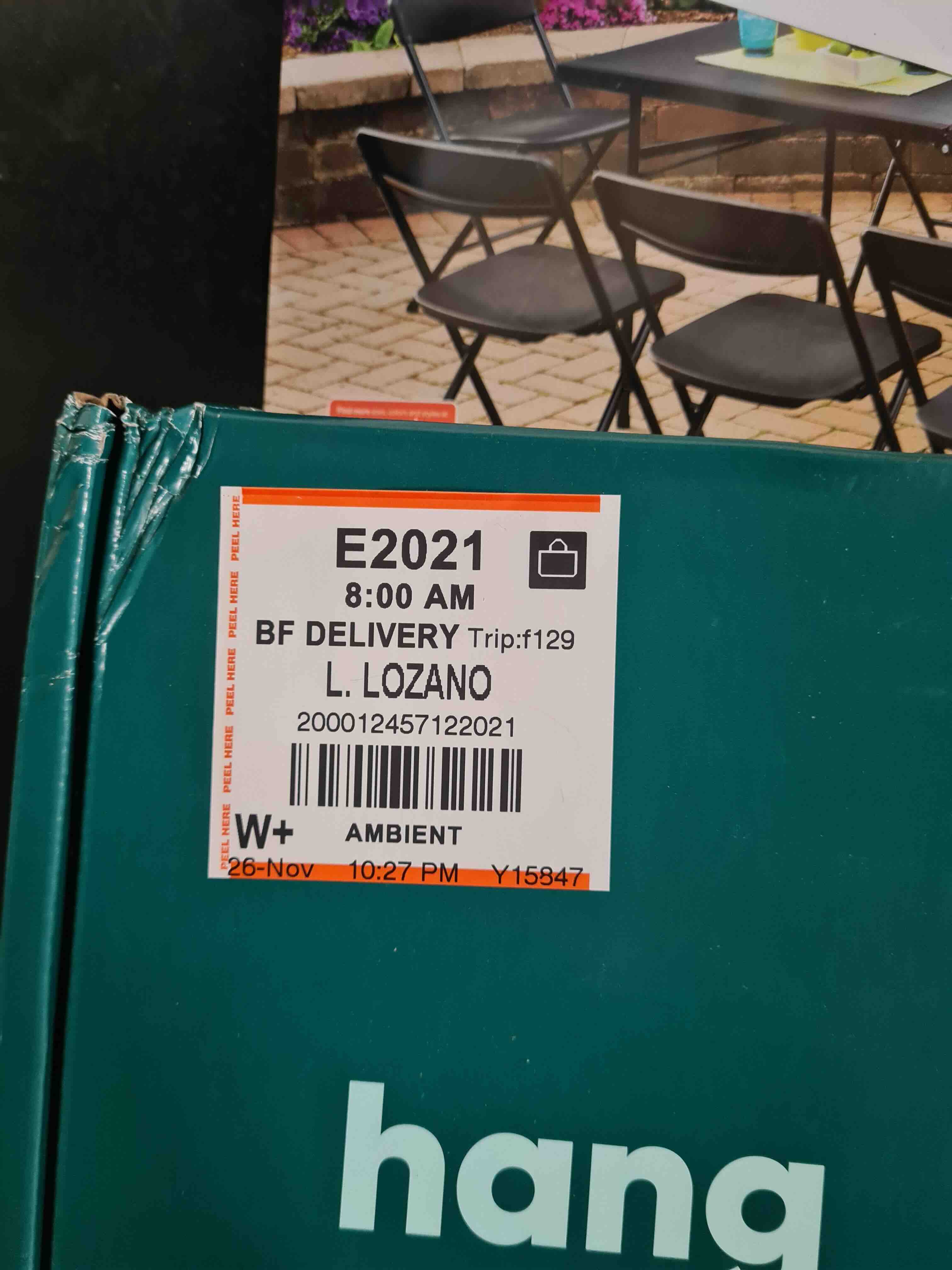
The sealed packet was the transition point. Before the label, it was
a packed item. After the label, it became a trackable fulfillment
unit. Watching this step made me appreciate how much operational
confidence depends on correct tagging.
A label is small, but in a store-scale process it carries the
item's future: where it goes, which trip it belongs to, and how
it reaches the customer.
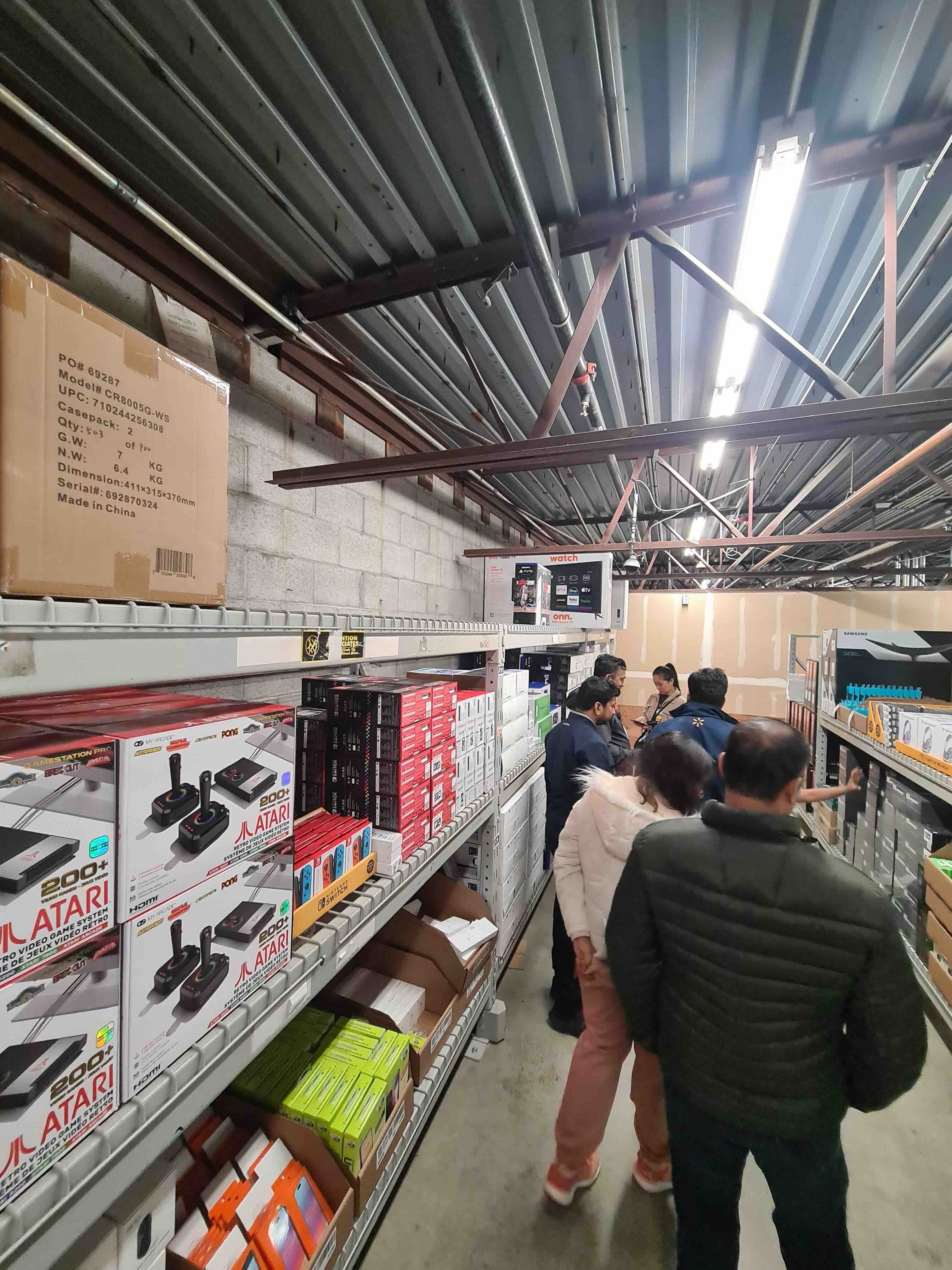
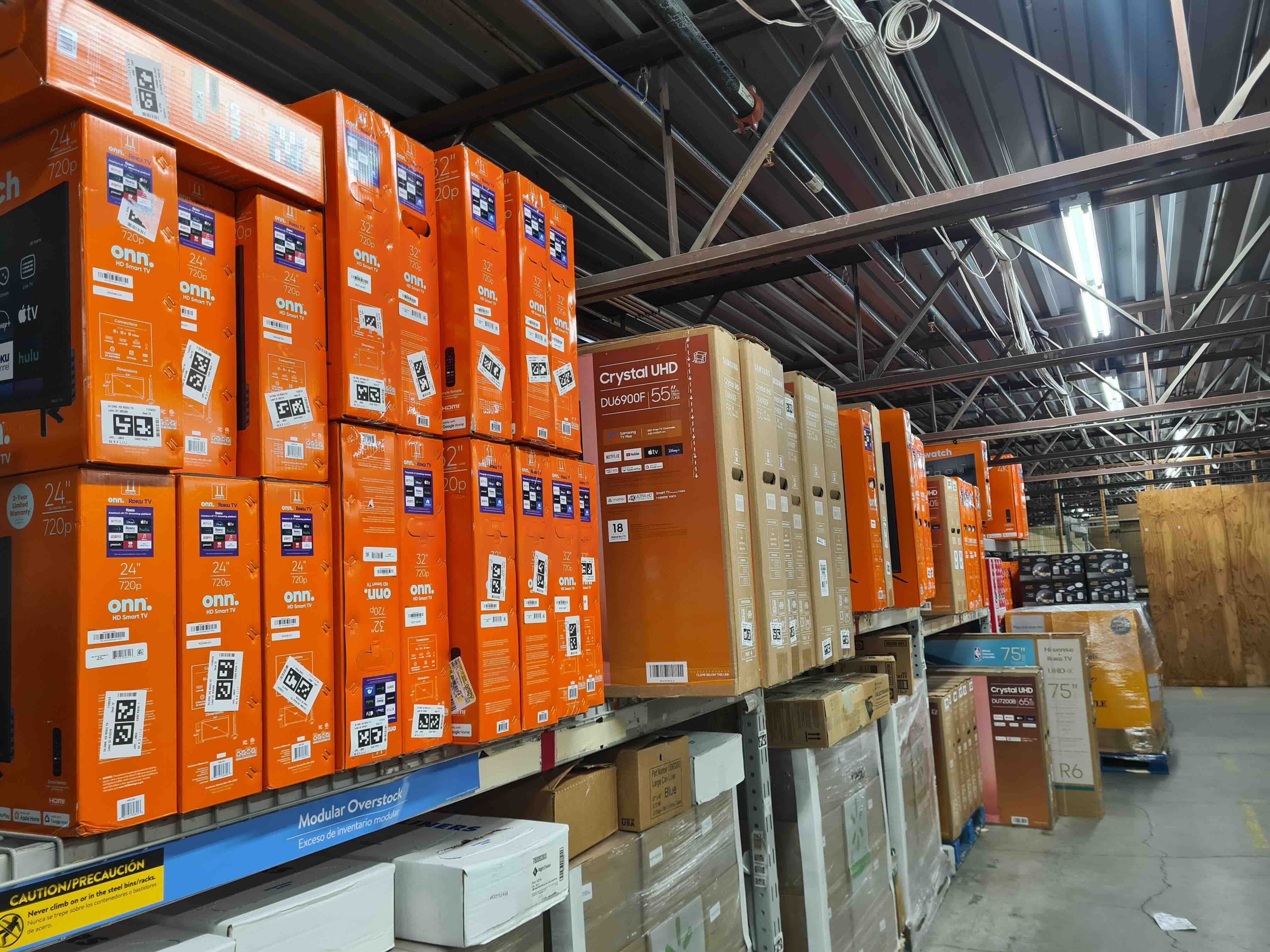
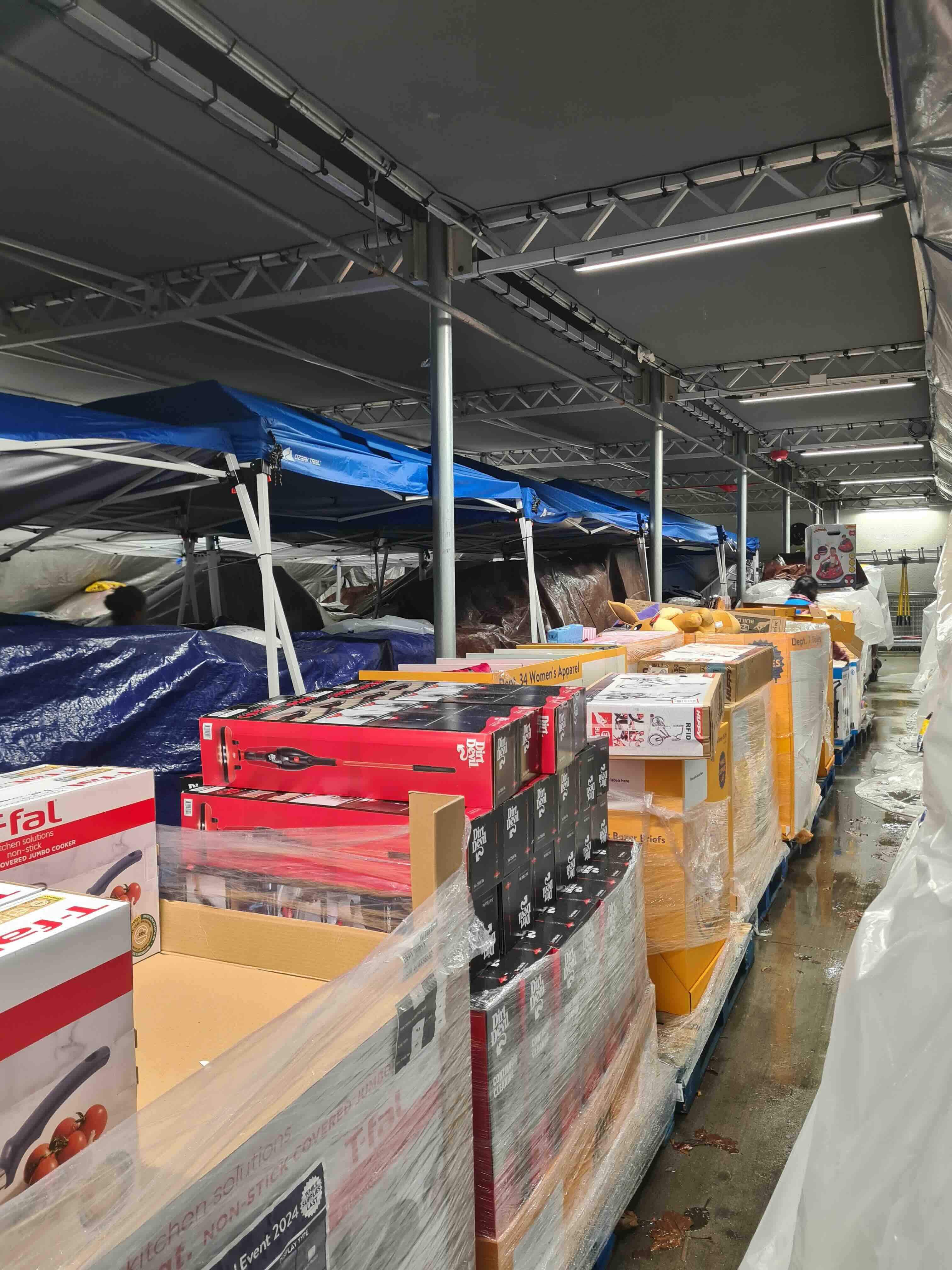
10 Roku TVs were one of the
popular holiday items waiting to be packed.
Holiday demand was visible in the electronics stack.
One of the most sold items during the holidays was the Roku TV. I
saw multiple TVs racked in the fulfillment area, ready to be packed
and moved through the flow. Electronics carried a different kind of
presence in the room because they are large, valuable, and strongly
tied to holiday deals.
Standing near those TVs, I could feel the connection between
marketing, store traffic, inventory planning, and fulfillment
execution.
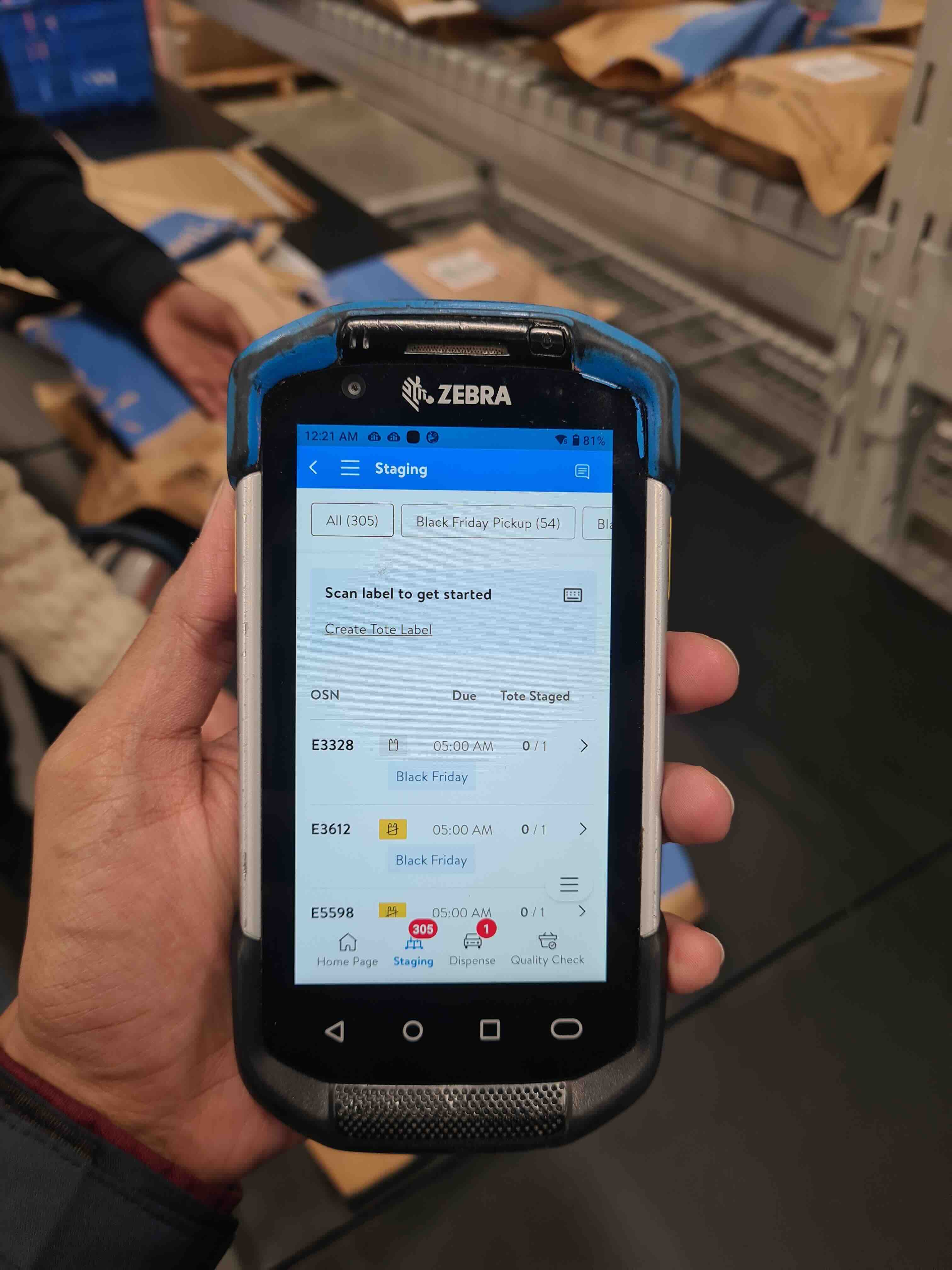
11 Associates used a Zebra
handheld device with the GIF app to scan items.
The handheld device was the bridge between the shelf and the system.
An associate used the Zebra handheld device with the GIF app to scan
each item. This was one of the most interesting parts for me because
it connected the physical product to the digital order. The device
guided the associate, validated the item, and helped generate the
next artifact in the flow.
As a software engineer, I naturally watched the human-device
interaction closely. Good operations software has to be fast enough
to disappear into the associate's rhythm.
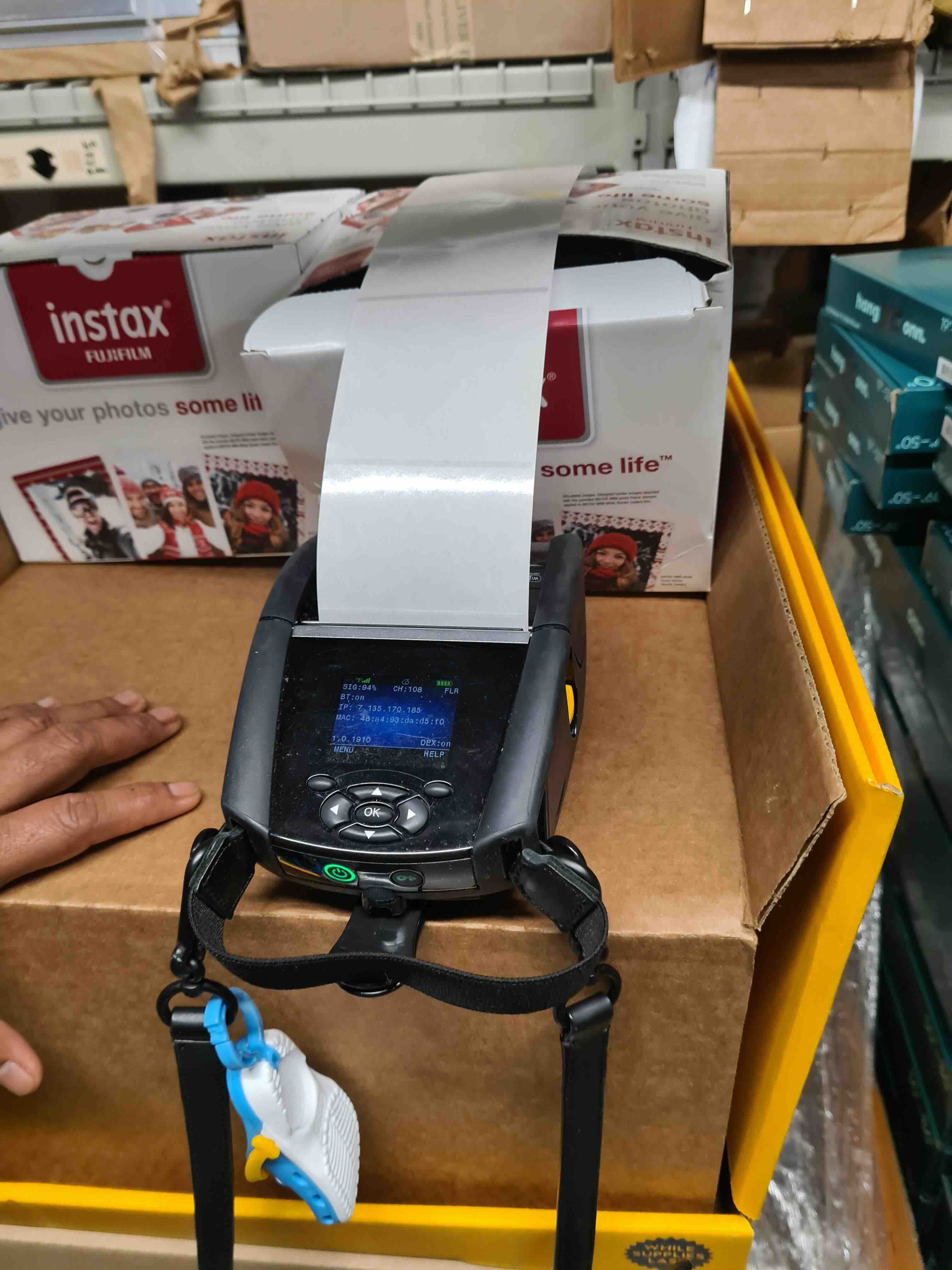
12 A connected device generated
label stickers for individual packets.
The label printer turned scans into action.
After scanning, another device generated the label stickers. The
labels were then attached to the individual packets, giving each
package a clear identity in the fulfillment chain. It looked simple
when done well, which is usually the sign of a mature operation.
The associate did not need drama or improvisation. Scan, print,
stick, move forward. That was the rhythm.
13 Trip labels were generated and
attached to containers for staging.
Trip labels grouped the chaos into deliverable batches.
Once individual items were packed and labeled, trip labels were
generated and attached to containers. This is where multiple items
started grouping together based on a route or pickup flow. The items
were no longer just separate packages; they became part of a staged
movement.
At this point, the order was ready to either reach a customer's
home or wait for pickup the next day.
14 The volume of holiday orders
left very little room for error.
That is why the one-item-one-bag rule mattered.
The team kept repeating that associates were not allowed to put two
items in one bag, no matter how small the items were. At first, that
sounds strict. But when you see the volume, the reason becomes
obvious. A shortcut that saves a few seconds can create confusion
later.
With a few associates packing hundreds of items, the process had to
remove ambiguity. One item, one bag, one label, one traceable path.
The Store Shopping Experience
I Was an Employee, but I Also Shopped Like a Customer
The second half of my visit was personal. During my stay, I often
chose Walmart over other stores because the price difference was not
subtle. It was visible in everyday products.
15 I preferred Walmart for regular
shopping during my US stay.
The pricing made the EDLP promise feel real.
I shopped at Walmart frequently because the pricing was hard to
ignore. A loaf of wheat bread was about one dollar at Walmart, while
I saw similar everyday items cost much more at other stores. An
iPhone 16 Pro Max case was around 15 dollars at Walmart, compared
with about 40 dollars elsewhere.
I also picked up a Bluetooth speaker for 10 dollars, something that
could easily cost well above 50 dollars at a Best Buy outlet. That
is when Every Day Low Price stopped being a slogan for me and became
a customer memory.
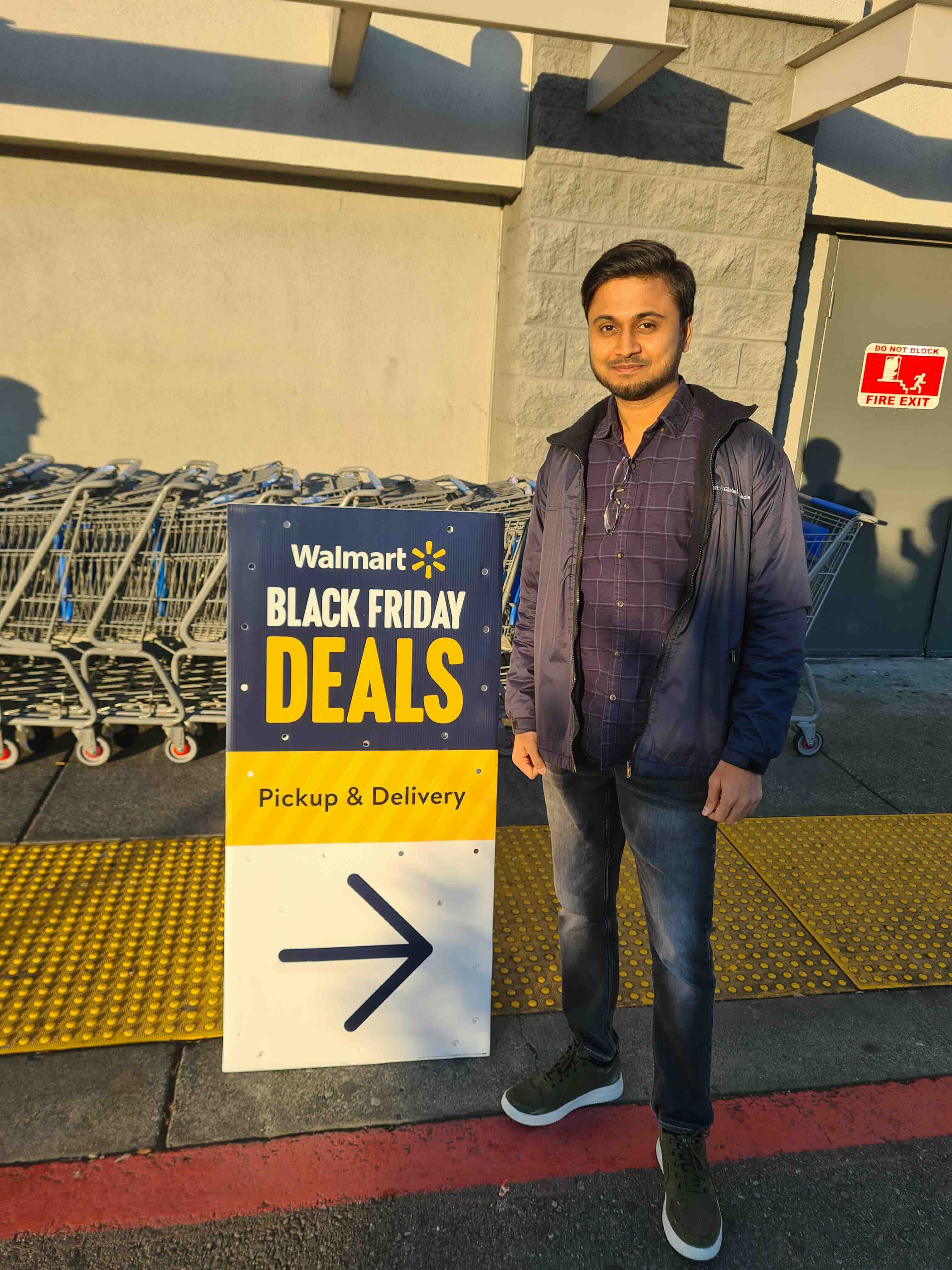
16 Black Friday week promotions
were visible inside and outside the stores.
Holiday marketing was everywhere, but the price still did the
talking.
During Black Friday week, the stores had standees and banners for
holiday promotions, and Walmart was also running ads on popular TV
channels. The messaging created energy, but the real pull was the
shelf price. Customers could see the value immediately.
I also noticed useful store conveniences: the electronics section
had its own checkout desk, many locations had bakery and pharmacy
sections, and Walmart US employees had a 10 percent discount card
for everyday shopping.
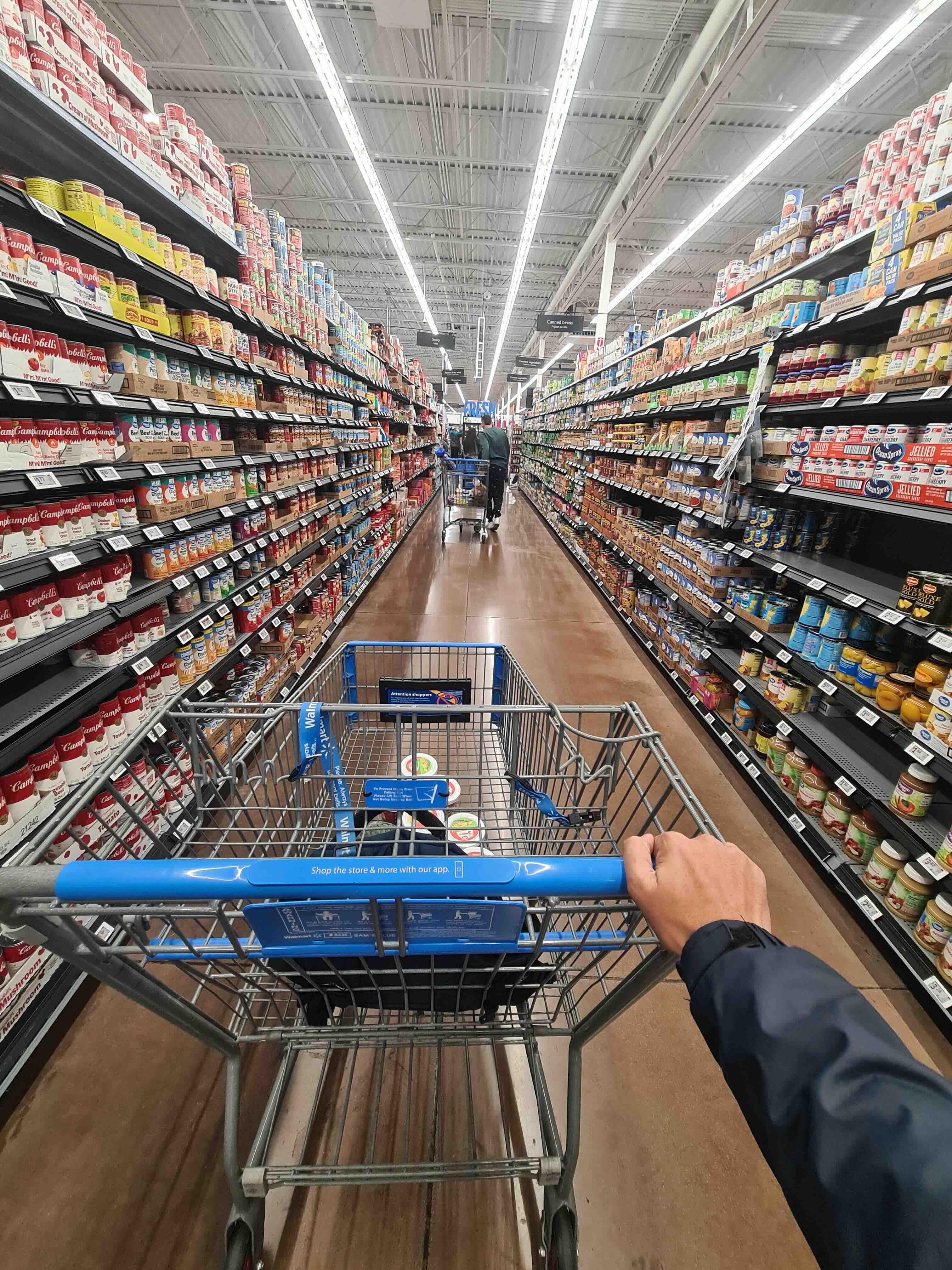
17 The stores carried everything
from electronics and toys to grocery, home, clothing, and office
supplies.
18 Fresh produce, dairy, frozen
foods, beverages, pharmacy, bakery, and daily needs made the store
feel complete.
The assortment made Walmart feel less like a store and more like a
daily-life operating system.
Across the stores, I could spot electronics, bakery items, packed
food, bicycles, car parts, groceries, fresh produce, dairy products,
frozen foods, meat, poultry, seafood, beverages, cleaning supplies,
laundry supplies, clothing, handbags, shoes, kitchen appliances, home
decor, baby food, toys, sports gear, stationery, office supplies, pet
supplies, gift cards, and more.
I learned that over one year, unique Walmart store visits can be
comparable to almost the entire US population. After walking those
aisles, that fact did not surprise me. Walmart is part of the weekly
pattern of life for millions of people.
What I Took Back From the Visit
My journey through Walmart stores and Supercenters gave me a deeper
appreciation for the operations behind the brand. I saw late-night
fulfillment, a diverse customer base, holiday order volume,
disciplined packing rules, broad assortment, and pricing that
genuinely shaped customer behavior. More than anything, I came back
with a stronger belief that Walmart's scale is not powered by one
big thing. It is powered by thousands of small things done correctly,
repeatedly, and close to the customer.